This means more compliance to manage day to day. Different customers may ask for different evidence, accreditations and standards change, and larger contracts often bring extra checks, approvals and reporting. As a company grows, the challenge increases again, with more engineers, subcontractors, sites, assets and expiry dates to keep track of.
The real difficulty is often not completing the work correctly, but keeping the evidence around it organised and easy to retrieve. Risk assessments, photographs, certificates, approvals and checks can quickly become scattered across phones, inboxes and separate folders.
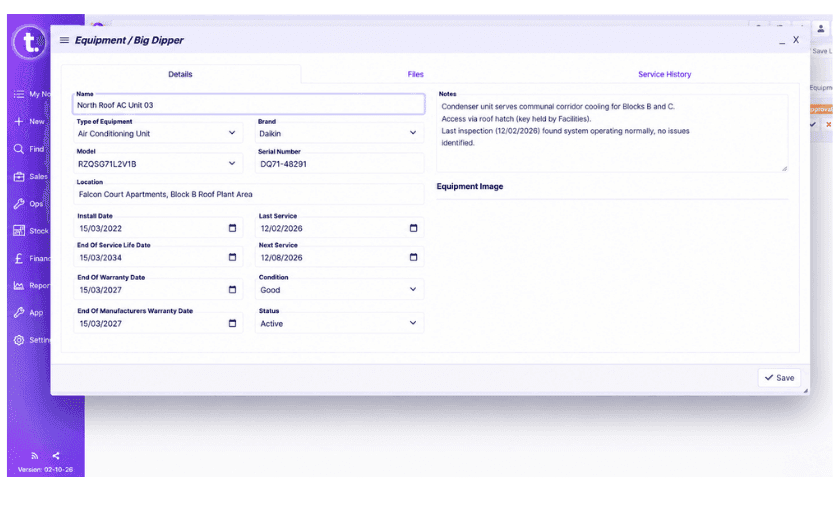
TeamPoint keeps compliance information connected to the work it relates to. RAMS, forms, permits, photographs, signatures, qualifications, checks, certificates, asset records and supporting files can all form part of the wider job management record.
:quality(90))
Compliance is not identical from one business to another either. A roofing contractor, drainage company and solar installer may all need different checks, evidence and approval stages. TeamPoint provides the core tools, but the way they are used can be configured around the business.
This article looks at how TeamPoint can help make compliance easier to manage day to day — from planning the work and gathering evidence to checking it, reporting on it and producing a clear record afterwards.
Building the right compliance steps into every job
A good compliance trail begins before the job begins.
The operative needs to know where they are going, what they are doing and whether there are particular risks, instructions or documents attached to the site. The office may also need to know that the person being allocated has the right skills or qualifications. Some work may require a permit, approval or risk assessment before it can begin.
TeamPoint builds those requirements into the job workflow.
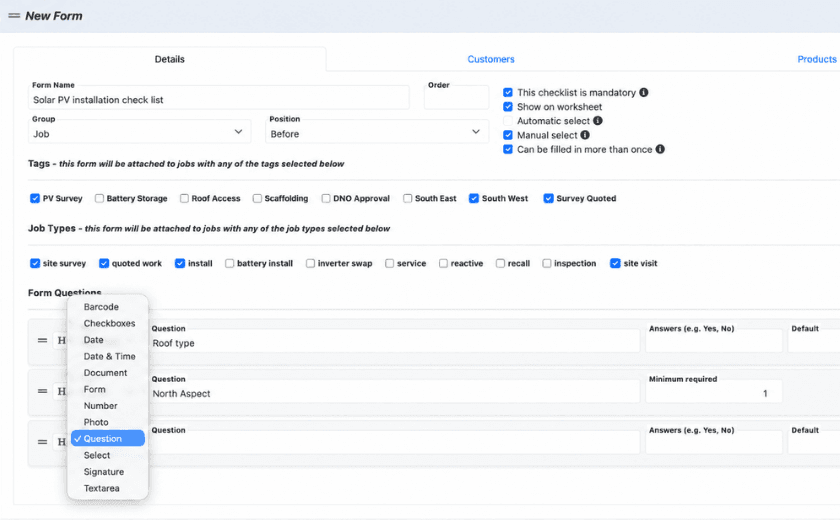
Different job types can carry different forms, checks and risk assessments, so an engineer is not presented with the same generic process every time. In roofing, for example, a roof inspection can have one set of requirements, while a survey, repair, installation or maintenance visit can each have another.
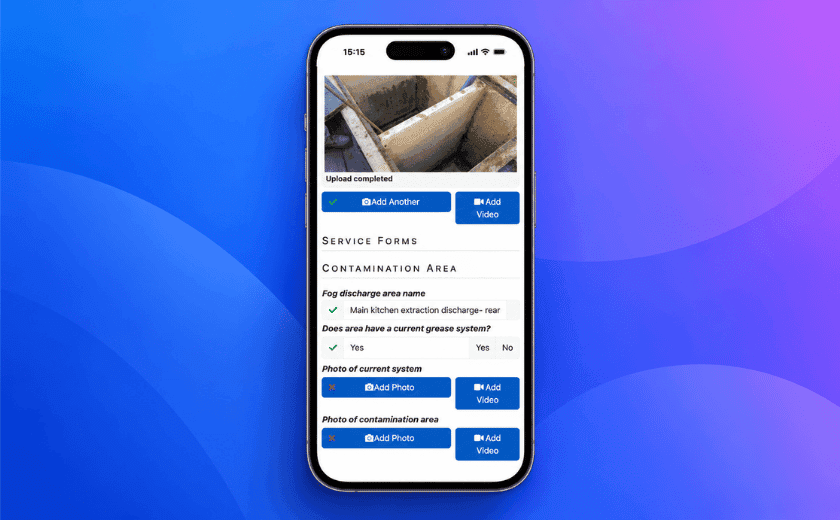
RAMS can be available through the mobile app, while risk assessments can record hazards, controls, PPE, COSHH information and additional notes. Permit-to-work processes can also be built in, including hot works, confined-space and other customer or site-specific permits. Where needed, approvals and signatures can be mandatory before work progresses.
The NFRC’s Safe2Torch guidance is a good example of why this matters. It places the assessment of fire risk at survey and design stage and includes a Safe2Torch checklist before hot works are undertaken. Meeting compliance requirements shapes the way the job is planned, rather than becoming paperwork collected afterwards.



:quality(90))
:quality(90))